Get Invasive Plant Removal in Santa Cruz County, CA
Invasive plant removal services for Santa Cruz County help property owners eliminate unwanted species like ivy, Scotch broom, and pampas grass to restore landscape health and appearance.
Invasive plant removal services are an important consideration for property owners in Santa Cruz County, CA who want to maintain healthy and attractive landscapes. These services help address the challenges posed by non-native plants that can quickly overrun native vegetation, reduce biodiversity, and impact the overall appearance of outdoor spaces. Whether managing a residential yard, commercial property, or public area, exploring local contractors who specialize in invasive plant removal can provide practical solutions for restoring and preserving the natural beauty of the region.
By planning invasive plant removal projects and comparing options available from local service providers, property owners can find tailored approaches suited to their specific needs. With a range of experienced contractors available in Santa Cruz County, it’s possible to identify professionals who understand the local ecosystem and can help develop effective strategies for invasive species management. Keep reading to learn more about how local experts can assist in safeguarding your property’s landscape.
- Japanese Knotweed Removal - needed when invasive plants threaten to overtake garden spaces or disrupt natural landscapes in neighborhoods around Santa Cruz County.
- Giant Hogweed Eradication - required when this hazardous plant appears along trails, parks, or private properties, posing safety concerns.
- Kudzu Control - necessary in areas where rapid vine growth encases trees, structures, or large sections of land in nearby communities.
- Purple Loosestrife Management - needed when this invasive species spreads across wetlands or pond edges, impacting native plant life.
- Brazilian Pepper Tree Removal - called for when this aggressive tree species encroaches on residential yards or natural open spaces in the region.
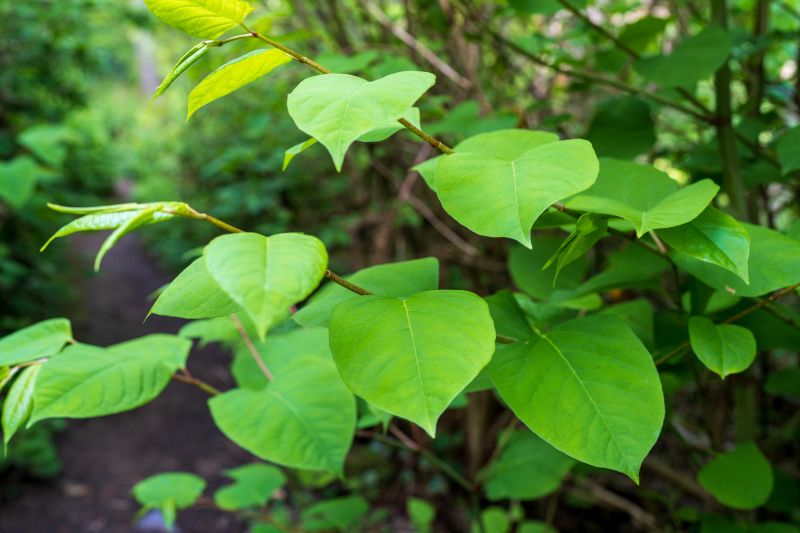
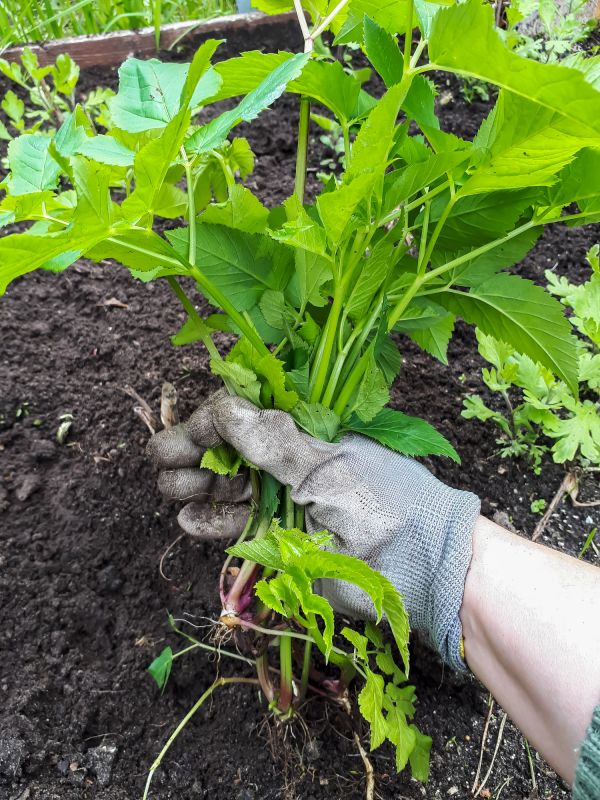
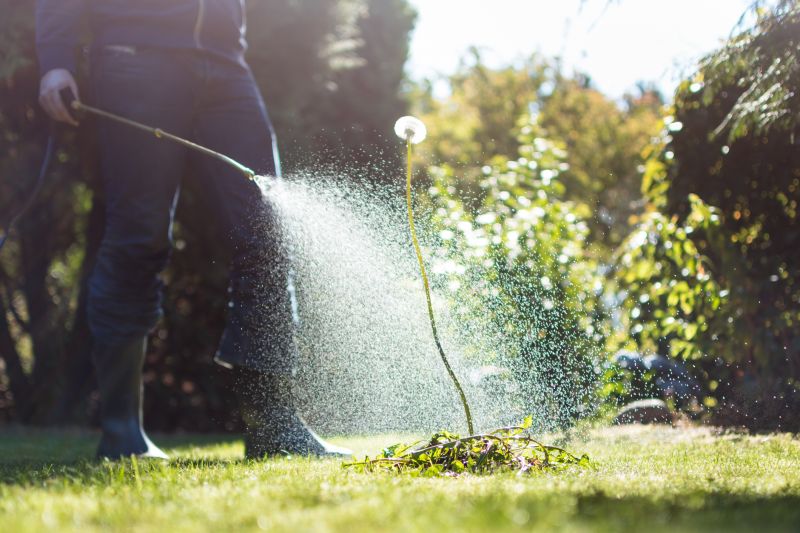
Invasive plant removal services involve the careful identification and elimination of non-native plant species that have taken hold in a property’s landscape. These services typically include thorough assessments of the affected areas, followed by targeted removal techniques such as manual pulling, cutting, or the use of specialized tools to eradicate invasive plants. The goal is to restore the natural balance of the landscape, prevent further spread, and protect native plants and local ecosystems. Service providers may also offer follow-up treatments to ensure that invasive species do not return, helping property owners maintain a healthy and attractive outdoor space.
Invasive plants often create significant problems for property owners by overtaking desirable native plants, reducing biodiversity, and damaging the overall appearance of a landscape. They can quickly spread across lawns, gardens, and natural areas, choking out beneficial plants and creating an unbalanced environment. For homeowners dealing with overgrown, unruly vegetation or noticing invasive species like ivy, blackberry, or certain grasses taking over their yard, professional removal services can provide a practical solution. Removing invasive plants not only improves curb appeal but also helps prevent potential damage to existing landscape features and structures.
Properties that typically benefit from invasive plant removal services include residential yards, community parks, and commercial properties with landscaped areas. Homes with large or heavily infested gardens often seek these services to regain control over their outdoor spaces. Additionally, properties located near natural reserves, waterways, or undeveloped land are more prone to invasive species encroachment and may require ongoing management. Whether a property owner wants to clear out a small garden or manage a larger landscape, local contractors can tailor removal strategies to fit the specific needs of each property.
Homeowners who notice invasive plants spreading rapidly or disrupting the growth of native vegetation should consider professional removal services. Signs such as dense, aggressive growth of unfamiliar plants or a decline in native species are common indicators that invasive species are taking hold. Invasive plant removal helps prevent long-term damage to the landscape and preserves the natural beauty of the property. By working with experienced local service providers, property owners can effectively address these challenges and maintain a healthy, balanced outdoor environment.
The overview below groups typical Invasive Plant Removal projects into broad ranges so you can see how smaller, mid-sized, and larger jobs often compare in Santa Cruz County, CA.
In many markets, a large share of routine jobs stays in the lower and middle ranges, while only a smaller percentage of projects moves into the highest bands when the work is more complex or site conditions are harder than average.
Smaller Jobs - Invasive plant removal for small properties or localized areas typically ranges from $250 to $600. Many routine jobs fall within this range, especially for gardens or yard sections with limited invasive growth.
Medium-Sized Projects - Larger properties or areas with moderate invasive plant presence usually cost between $600 and $1,500. Local contractors often handle these projects regularly, with costs increasing based on the extent of the infestation.
Large or Complex Jobs - Extensive invasive plant removal, such as overgrown lots or difficult terrain, can range from $1,500 to $3,500. Fewer projects reach this tier, but they often require specialized equipment and multiple visits.
Full Land Clearing or Replacement - Complete removal and site restoration can exceed $5,000, especially for large-scale or challenging environments. These projects are less common and typically involve significant effort from experienced service providers.
Actual totals will depend on details like access to the work area, the scope of the project, and the materials selected, so use these as general starting points rather than exact figures.
Landscape Restoration Projects - These projects involve removing invasive plants to restore native vegetation and improve ecosystem health, requiring similar planning and plant identification skills.
Garden Clearing Services - Clearing overgrown gardens often involves removing invasive species and managing dense plant growth, utilizing comparable tools and techniques.
Trail Maintenance and Clearing - Maintaining walking and hiking trails includes removing invasive plants that encroach on paths, requiring similar site assessment and removal methods.
Wetland Management Projects - Managing wetland areas involves controlling invasive aquatic and shoreline plants with specialized removal tools and planning strategies.
Tree and Shrub Removal - Removing unwanted or invasive shrubs and small trees shares techniques with invasive plant removal, including site cleanup and plant disposal.
Erosion Control Planting - Installing erosion control plants often requires removing invasive species beforehand to establish native ground cover effectively.
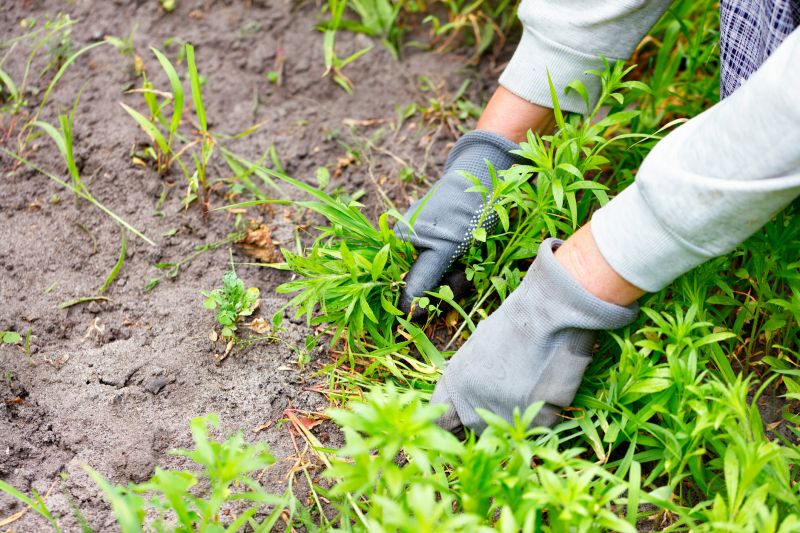
When selecting a service provider for invasive plant removal, it’s important to consider their experience with similar projects in the Santa Cruz County area. Homeowners should look for local contractors who have a proven track record of successfully handling invasive species common to the region. Asking about previous work on comparable sites can provide insight into their familiarity with local plant types and site conditions, helping ensure the chosen professional is well-equipped to manage the specific challenges of the project.
Clear communication is a key factor in a successful invasive plant removal effort. Homeowners should seek out service providers who can articulate their process and expectations in writing, outlining the scope of work, methods, and any potential limitations. This transparency helps establish a mutual understanding and sets realistic expectations, reducing the likelihood of misunderstandings later on. Reputable local contractors are typically willing to provide detailed information upfront, which can serve as a foundation for a smooth working relationship.
References from past clients and ongoing communication are also valuable indicators of a reliable service provider. Homeowners are encouraged to ask for references or reviews from previous projects similar in scope and location. Consistent, clear communication throughout the process-whether via email or in person-can help ensure that questions are answered promptly and concerns addressed effectively. Remember, this site helps connect homeowners with local options but does not perform the work itself, so it’s essential to evaluate each contractor’s experience, clarity, and communication to find the right fit for invasive plant removal needs.
Property owners in Santa Cruz County, CA use Invasive Plant Removal services for practical projects around their homes and businesses. This guide focuses on everyday jobs and straightforward project options.
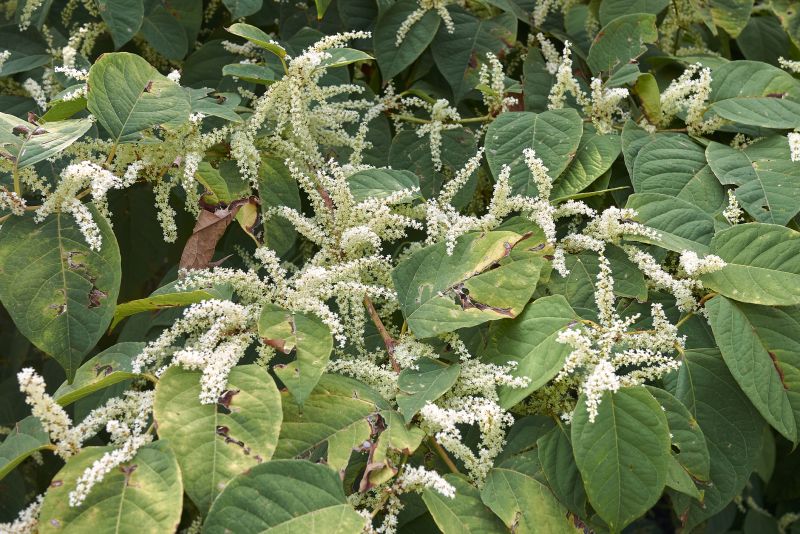
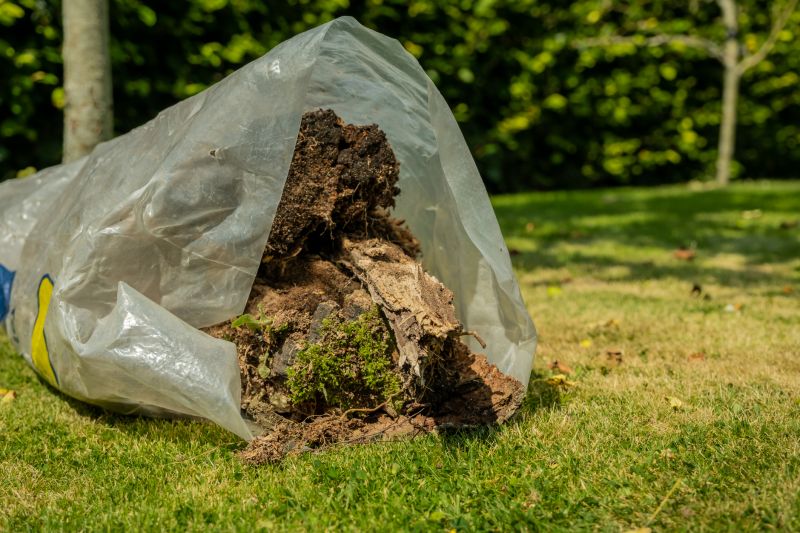
In Santa Cruz County, property owners often seek invasive plant removal services to maintain the health and appearance of their gardens, lawns, and natural landscapes. Overgrown or unwanted invasive species can quickly take over outdoor spaces, making it difficult to enjoy the yard or keep native plants thriving. Local contractors specializing in invasive plant removal can help clear out these unwanted plants, restoring a more balanced and manageable landscape for homeowners and property managers alike.
Additionally, invasive plants can pose challenges for those managing larger properties, parks, or community spaces in the area. They may interfere with native plant growth, block views, or create hazards for visitors. Property owners looking to preserve the natural beauty of their land or prevent invasive species from spreading further often turn to experienced service providers who can assess the situation and provide effective removal solutions. These local contractors are equipped to handle a variety of project sizes and help keep outdoor spaces safe and visually appealing.
What types of invasive plants can local contractors remove? Service providers in Santa Cruz County can typically handle the removal of common invasive species such as ivy, Scotch broom, and pampas grass, among others.
How do professionals typically remove invasive plants? Local contractors may use methods like physical removal, herbicide application, or a combination of both to effectively manage invasive plant infestations.
Are invasive plant removal services suitable for residential properties? Yes, many local service providers offer invasive plant removal for residential landscapes, helping to restore native plant health and improve yard aesthetics.
What should be considered before hiring a contractor for invasive plant removal? It's important to consider the contractor’s experience with invasive species, their methods of removal, and their ability to handle the specific plants present on the property.
Can invasive plant removal help prevent future invasions? Yes, professional removal can reduce the risk of invasive species spreading further and can be part of a broader landscape management plan to maintain native plant health.
Invasive plant removal for garden beds - property owners can clear invasive species from flower beds to promote healthier plant growth and improve overall garden appearance.
Yard clearing before landscaping projects - removing invasive plants can prepare outdoor spaces for new landscaping, lawn installation, or other improvements.
Managing invasive plants along fences and property boundaries - local contractors can help maintain clear property lines and prevent invasive species from spreading to neighboring areas.
Control of invasive plants in natural areas or lawns - property owners can work with service providers to manage invasive growth and protect native or desired plants.
If you are thinking about Invasive Plant Removal for a property in Santa Cruz County, CA, this guide is meant to help you understand the work, the typical project types, and how different options might fit your plans.
When you are ready, you can use the quote form on this page to share a few details about your project. From there, local pros can review the basics and respond with options that match what you have in mind.