Get Shrubs Trimming
Shrubs trimming services help property owners maintain healthy, attractive landscapes by shaping, pruning, and removing overgrown or damaged shrubs and bushes.
Proper shrub trimming is an essential aspect of maintaining a healthy and attractive landscape. Property owners in the area often consider this work to enhance curb appeal, promote plant vitality, and prevent overgrowth that can lead to structural issues or unwanted pests. Whether planning routine upkeep or a more extensive pruning project, exploring local contractors can help identify experienced service providers equipped to meet specific landscaping needs.
Comparing options among local contractors allows property owners to find the right fit for their shrub trimming projects. By reviewing available services and expertise, individuals can make informed decisions that align with their landscape goals. Continuing to read can provide valuable insights into how local professionals can support the ongoing care and aesthetic improvement of outdoor spaces.
- Shrubs Trimming - when overgrown or unruly shrubs need shaping to improve curb appeal.
- Hedge Maintenance - to maintain privacy screens or define property boundaries with neatly trimmed hedges.
- Landscape Enhancement - for revitalizing the appearance of gardens by removing dead or overgrown shrubbery.
- Storm Cleanup - after severe weather, when damaged or fallen branches require professional trimming and removal.
- Seasonal Pruning - to prepare plants for different seasons and promote healthy growth.
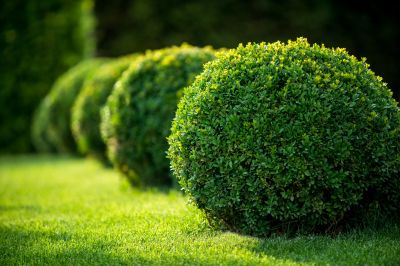
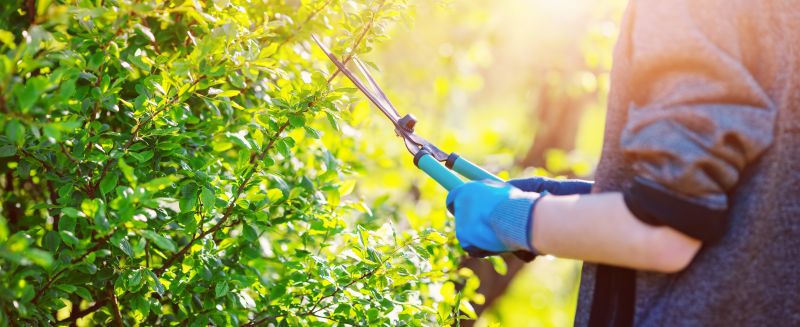

Shrubs trimming services involve the careful cutting and shaping of shrubs and bushes to maintain their health and appearance. This process includes removing dead or overgrown branches, reducing the size of the shrub, and ensuring it stays within its designated space. Proper trimming encourages healthy growth, enhances the overall look of the landscape, and prevents shrubs from becoming unruly or overgrown. Service providers use specialized tools and techniques to achieve a clean, natural shape that complements the property's design.
Regular shrub trimming can help address common landscape problems, such as overgrown or uneven growth, which can obstruct walkways, windows, or views. It also helps prevent pests and diseases by removing dead or decaying branches where insects and fungi can thrive. Additionally, trimming can improve air circulation and sunlight penetration, promoting healthier plant development. For properties that have mature or densely planted landscapes, professional trimming ensures that shrubs stay manageable and visually appealing without damaging the plant.
This service is often utilized on residential properties, including single-family homes, townhouses, and estate grounds. Commercial properties, such as office parks, retail centers, and community complexes, also frequently require shrub trimming to maintain a professional and inviting appearance. Properties with decorative landscaping or outdoor spaces designed for aesthetic appeal typically benefit from regular shrub maintenance. Homeowners and property managers alike turn to local contractors to keep their shrubbery neat, healthy, and appropriately shaped for the overall landscape design.
Homeowners may seek shrub trimming services when shrubs become overgrown, unruly, or start to interfere with pathways, driveways, or sightlines. It is also useful when preparing a property for seasonal changes or special events, ensuring the landscape looks tidy and well-maintained. Regular trimming can prevent potential issues caused by overgrown plants, such as damage to structures or reduced sunlight reaching other garden areas. Contacting experienced local service providers can help determine the right trimming schedule and techniques to keep outdoor spaces attractive and healthy.
The overview below groups typical Shrubs Trimming projects into broad ranges so you can see how smaller, mid-sized, and larger jobs often compare in your area.
In many markets, a large share of routine jobs stays in the lower and middle ranges, while only a smaller percentage of projects moves into the highest bands when the work is more complex or site conditions are harder than average.
Small Shrub Trimming - For routine trimming of small shrubs, local contractors often charge between $50 and $150 per visit. Many standard jobs fall within this range, especially for maintenance of a few bushes. Larger or more intricate small shrub projects may cost more.
Medium Shrub Trimming - Trimming medium-sized shrubs typically costs between $150 and $300, depending on the number and type of plants. Many service providers handle these jobs regularly within this range, with fewer projects reaching higher prices for complex shapes or dense foliage.
Larger or Complex Shrubs - For larger or more intricate shrub trimming, costs can range from $300 to $600 or more. These projects often involve more time and skill, and while many jobs stay in the middle of this range, highly detailed or extensive work can push costs higher.
Full Shrub Replacement - Complete removal and replacement of shrubs can cost from $600 to over $2,000, depending on the size and number of plants involved. Larger, more complex landscape projects may exceed this range, but most routine replacements fall within the lower to mid-tier prices.
Actual totals will depend on details like access to the work area, the scope of the project, and the materials selected, so use these as general starting points rather than exact figures.
Hedge Trimming - local contractors skilled in shaping and maintaining hedges use similar pruning techniques as shrub trimming to ensure healthy growth and aesthetic appeal.
Tree Pruning - professionals who prune trees have expertise in cutting back overgrown branches, which complements shrub trimming skills for overall landscape health.
Landscape Planting - landscape service providers involved in planting and arranging various plants require planning and precision similar to shrub trimming projects.
Garden Bed Maintenance - maintaining garden beds often involves trimming and shaping plants, requiring similar tools and attention to detail as shrub trimming.
Bush Removal - removing overgrown or unwanted bushes involves cutting and clearing techniques akin to shrub trimming, handled by experienced local contractors.
Topiary Shaping - creating decorative topiary involves precise trimming and shaping skills that are closely related to shrub pruning and maintenance tasks.
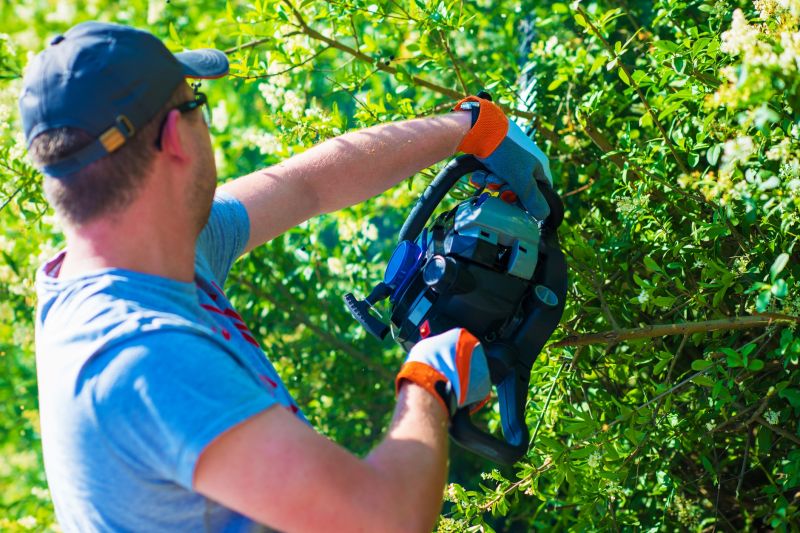
When comparing contractors for shrubs trimming services, it’s important to consider their experience with similar projects. Homeowners should look for service providers who have a proven track record of handling shrub and hedge trimming tasks comparable to their own landscape needs. Asking for examples of past work or references can help gauge the contractor’s familiarity with different types of plants, yard sizes, and trimming techniques, ensuring that the selected professional is well-equipped to deliver quality results.
Clear, written expectations are essential to avoid misunderstandings and ensure satisfaction with the final outcome. Homeowners should communicate their specific goals-such as shaping, thinning, or maintaining certain plant heights-and confirm that these details are documented. A reputable service provider will be able to clarify the scope of work, outline the methods they plan to use, and provide a detailed description of what the project will entail, helping to establish a transparent working relationship.
Good communication and reputable references are key factors when choosing a local contractor. Homeowners should seek service providers who are responsive and willing to discuss project details thoroughly, demonstrating professionalism and attentiveness. Additionally, checking references or reviews from previous clients can provide insights into the contractor’s reliability, work quality, and customer service. The site introduces homeowners to local options, connecting them with trusted professionals capable of managing shrub trimming projects, but it does not perform the work itself.
Property owners use Shrubs Trimming services for practical projects around their homes and businesses. This guide focuses on everyday jobs and straightforward project options.

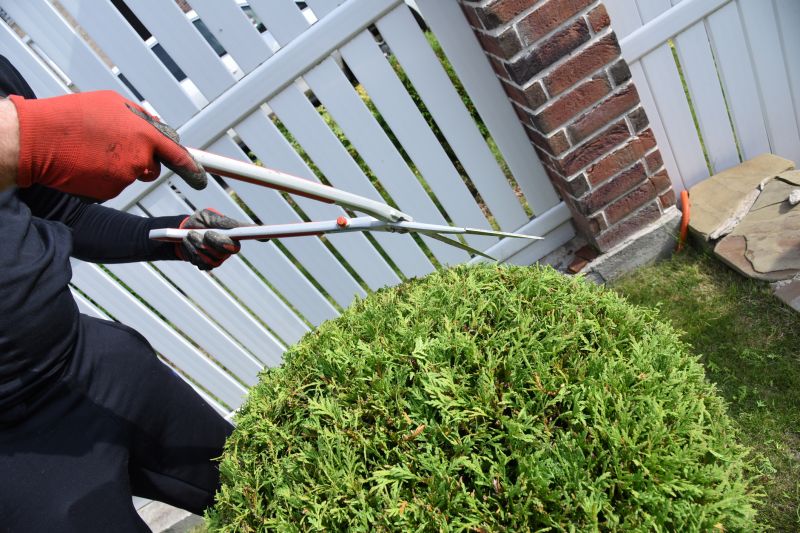
Shrubs trimming is a common task for property owners who want to maintain the appearance and health of their gardens. Whether it's shaping overgrown bushes, removing dead or diseased branches, or keeping plants tidy for curb appeal, local contractors can handle a variety of shrub care needs. Homeowners often seek these services to improve the overall look of their yards or to prevent shrubs from becoming unruly and obstructing pathways, driveways, or windows.
In addition to aesthetic reasons, shrub trimming can be important for safety and plant health. Overgrown branches may pose hazards or cause damage during storms, and regular maintenance helps prevent pests and disease from taking hold. Local service providers can assist with routine trimming or more extensive pruning projects, helping property owners keep their outdoor spaces well-kept and inviting.
Why should I consider shrub trimming services? Shrub trimming helps maintain the health, appearance, and growth of bushes, enhancing the overall look of a landscape.
How often should shrubs be trimmed? The frequency of trimming depends on the type of shrub and its growth pattern; a local contractor can provide recommendations based on specific plant needs.
What tools are typically used for shrub trimming? Professional shrub trimming often involves pruning shears, hedge trimmers, and loppers to ensure precise and healthy cuts.
Can shrub trimming improve the safety of my yard? Yes, trimming can remove overgrown branches or deadwood that may pose safety hazards or obstruct pathways.
What are the benefits of hiring a professional for shrub trimming? Experienced service providers can ensure proper trimming techniques, promote healthy growth, and improve the aesthetic appeal of landscape plants.
Maintain curb appeal - trimming shrubs regularly helps keep a property looking tidy and well-kept for visitors and neighbors.
Improve plant health - pruning overgrown or damaged branches promotes healthier growth and prevents disease.
Enhance safety - removing overgrown shrubs near walkways or driveways reduces hazards and improves visibility.
Prepare for seasons - shaping and trimming shrubs before seasonal changes ensures they are ready to withstand weather conditions.
If you are thinking about Shrubs Trimming for a property, this guide is meant to help you understand the work, the typical project types, and how different options might fit your plans.
When you are ready, you can use the quote form on this page to share a few details about your project. From there, local pros can review the basics and respond with options that match what you have in mind.