Get Invasive Plant Removal in Bozeman, MT
Invasive plant removal services help Bozeman property owners eliminate unwanted species like knapweed and cheatgrass, restoring landscape health and preventing spread.
Invasive plant removal is an important step for property owners in Bozeman, MT looking to maintain healthy and vibrant landscapes. Unwanted invasive species can quickly spread, outcompeting native plants and impacting the overall beauty and usability of outdoor spaces. Whether managing a residential yard, commercial property, or natural area, exploring options for professional removal can help ensure invasive plants are addressed effectively and safely. This page connects property owners with local contractors experienced in invasive plant management, making it easier to plan and compare services suited to specific needs.
Choosing the right service provider involves understanding the scope of invasive plant removal projects and identifying trusted local options. Property owners who want to protect their land, improve aesthetic appeal, or prevent further spread of invasive species can benefit from expert assistance. Keep reading to learn more about how local contractors can support invasive plant removal efforts and find the right solutions tailored to properties in the Bozeman area.
- Invasive Plant Removal - needed when invasive species threaten native landscapes in neighborhoods around Bozeman, MT.
- Japanese Knotweed Removal - required when this aggressive plant begins to spread through garden beds or along property boundaries.
- Kudzu Eradication - necessary for properties in southern regions where kudzu is rapidly overtaking trees and structures.
- Garlic Mustard Control - important for woodland areas in nearby communities to protect native plant diversity.
- Himalayan Blackberry Removal - needed when this invasive shrub starts to dominate open spaces and reduce accessible land.
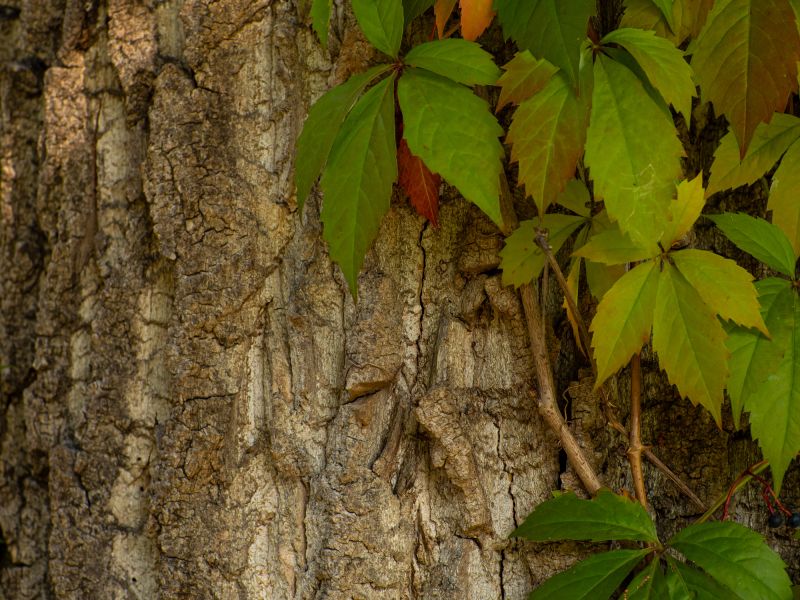
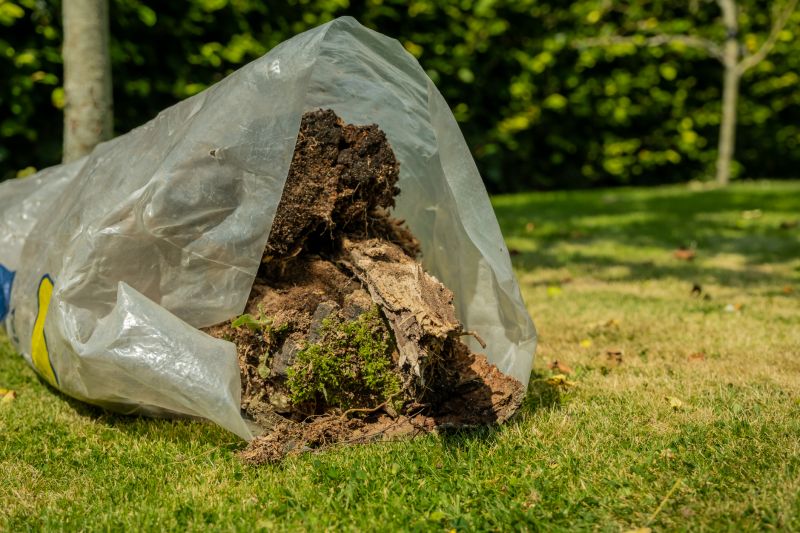

Invasive plant removal services involve the careful identification and elimination of non-native plant species that can overtake natural landscapes and disrupt local ecosystems. These services typically include assessing the property to pinpoint invasive plants, followed by targeted removal methods such as hand pulling, cutting, or specialized treatments. The goal is to restore native plant life and maintain the health of the landscape while preventing the spread of invasive species that can quickly take over gardens, yards, and open spaces.
This type of service helps solve a variety of problems caused by invasive plants. These species often outcompete native plants for resources like sunlight, water, and nutrients, which can lead to reduced biodiversity and the deterioration of natural habitats. Invasive plants can also cause property damage by invading lawns, garden beds, and landscaped areas, making maintenance more difficult. Additionally, some invasive species can pose safety concerns or interfere with outdoor activities, prompting property owners to seek professional removal to preserve the beauty and usability of their land.
Invasive plant removal is commonly used on residential properties, especially those with large yards, gardens, or naturalized areas. It is also frequently requested for commercial properties, parks, golf courses, and conservation areas where maintaining a healthy, balanced landscape is important. Homeowners who notice rapid growth of unfamiliar or aggressive plants, or who want to prevent invasive species from taking over their property, are often the ones who seek out these services. Proper removal can help keep outdoor spaces safe, attractive, and functional for everyday use.
Local contractors offering invasive plant removal services use a variety of techniques tailored to each property’s needs. They can handle different types of invasive species, from stubborn weeds to woody shrubs, and employ methods suited for sensitive or large-scale areas. Property owners in Bozeman, MT, and nearby areas often turn to these professionals when invasive plants threaten native landscapes, reduce curb appeal, or hinder outdoor enjoyment. Connecting with experienced service providers ensures invasive plants are managed effectively, helping to preserve the natural beauty and health of outdoor spaces.
The overview below groups typical Invasive Plant Removal projects into broad ranges so you can see how smaller, mid-sized, and larger jobs often compare in Bozeman, MT.
In many markets, a large share of routine jobs stays in the lower and middle ranges, while only a smaller percentage of projects moves into the highest bands when the work is more complex or site conditions are harder than average.
Smaller Invasive Plant Removals - Most routine jobs, such as removing invasive plants from a small yard or garden, typically range from $250 to $600. These projects usually involve manageable areas and fewer invasive species. Many local contractors handle jobs within this range regularly.
Medium-Scale Projects - Larger areas like a backyard or a small property often cost between $600 and $1,500. These projects may include multiple invasive species and require more time and effort. It's common for projects to fall into this middle range.
Large or Complex Removals - Removing invasive plants from extensive properties or areas with dense growth can range from $1,500 to $5,000. These jobs often involve significant labor, equipment, and planning, with fewer projects reaching the highest tiers.
Full Site Restoration or Replanting - Complete removal combined with site restoration or replanting can exceed $5,000, depending on size and complexity. Such projects are less frequent and typically involve comprehensive work to restore native vegetation after invasive removal.
Actual totals will depend on details like access to the work area, the scope of the project, and the materials selected, so use these as general starting points rather than exact figures.
Landscape Restoration Projects - local contractors often perform landscape restoration that involves removing unwanted vegetation, similar to invasive plant removal efforts.
Weed Control Services - professionals specializing in weed management use comparable planning and tools to eliminate invasive plant species from outdoor areas.
Garden and Yard Cleanup - yard cleanup projects require knowledge of plant types and removal techniques, aligning with invasive plant removal skills.
Tree and Shrub Removal - removing overgrown or unwanted trees and shrubs involves similar planning and equipment used in invasive plant management.
Erosion Control Projects - managing soil stability often includes removing invasive plants that contribute to erosion issues, requiring similar expertise.
Habitat Restoration Services - restoring natural habitats may involve invasive species removal to promote native plant growth, utilizing related skills and tools.
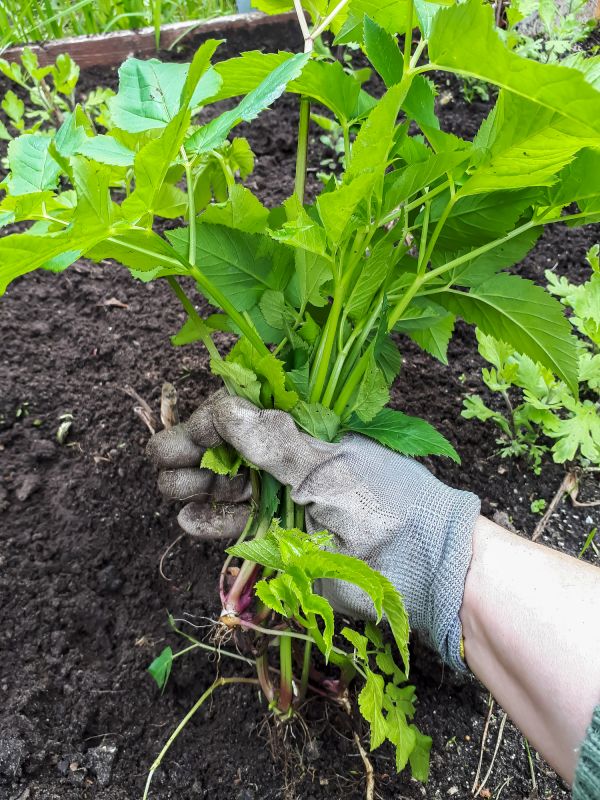
When selecting a provider for invasive plant removal, it’s important to consider their experience with similar projects in the Bozeman area. Service providers who have a proven track record working on invasive species in local environments are more likely to understand the specific challenges and best approaches for your property. Asking for examples of past projects or references from other homeowners can help gauge their familiarity with the types of invasive plants common to the region. This insight ensures that the pros you consider have relevant experience that aligns with the scope of your project.
Clear, written expectations are key to a smooth working relationship. When comparing local contractors, it’s helpful to review their communication about what the project will entail, including the scope of work, methods used, and any materials or equipment involved. Well-defined expectations can prevent misunderstandings and ensure everyone is on the same page from the start. Service providers who are transparent and willing to provide detailed information demonstrate professionalism and make it easier to evaluate whether they are well-suited for your invasive plant removal needs.
Reputable references and effective communication are also essential factors to consider. Asking for references from previous clients can provide insights into the contractor’s reliability, quality of work, and how they handle project details. Good communication involves timely responses, clarity in explanations, and a willingness to address questions or concerns. These qualities help build confidence that the service provider will be attentive to your needs throughout the project. Remember, the goal is to find experienced, transparent, and communicative local contractors who can handle invasive plant removal efficiently, not to perform the work directly.
Property owners in Bozeman, MT use Invasive Plant Removal services for practical projects around their homes and businesses. This guide focuses on everyday jobs and straightforward project options.
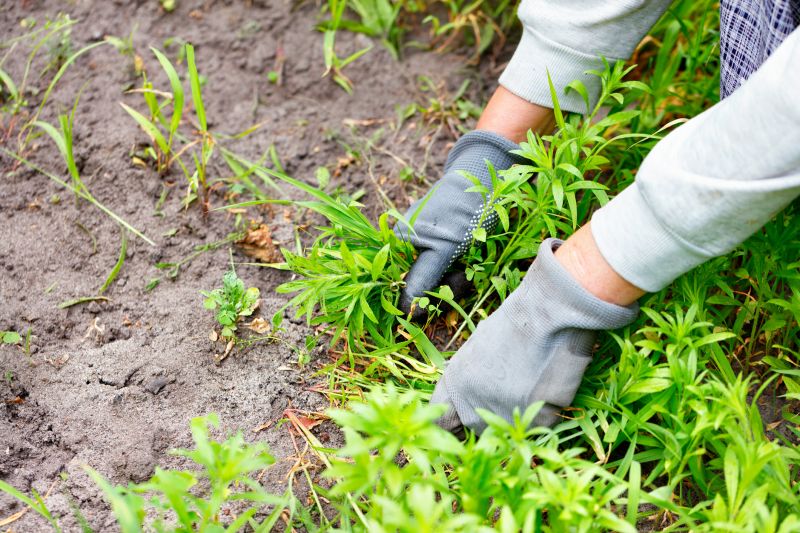
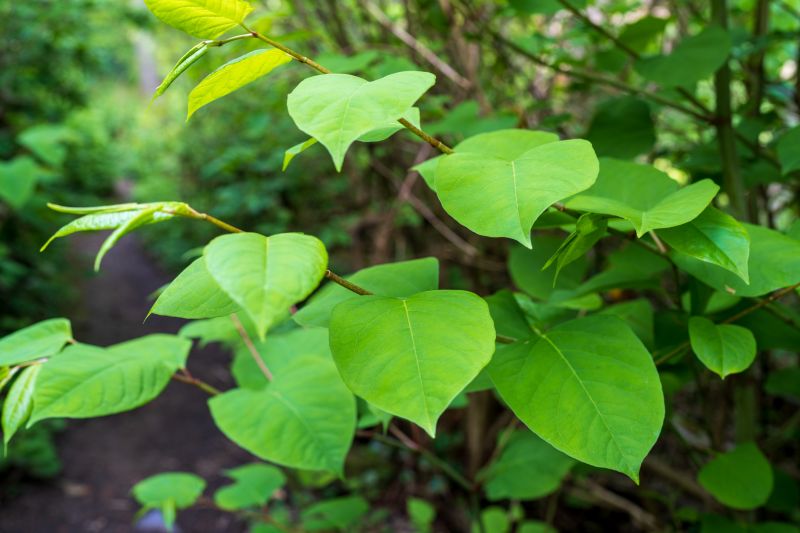
Invasive plant removal services are often sought by property owners in Bozeman who notice unwanted species spreading across their yards, gardens, or natural areas. Common situations include overgrown patches of knapweed, leafy spurge, or other invasive species that threaten native plants and disrupt the landscape. Homeowners and landowners may want to restore the natural beauty of their outdoor spaces or prevent invasive plants from taking over lawns, fields, or roadside areas. Local contractors can provide the expertise needed to identify invasive species and safely remove them, helping property owners maintain healthy, attractive environments.
Property owners in Bozeman might also look for invasive plant removal when invasive species begin to encroach on recreational areas, garden beds, or agricultural land. Invasive plants can quickly spread and become difficult to control without proper removal methods. Whether dealing with a small backyard or a larger property, residents often seek help from local service providers who understand the regional challenges and can tailor removal strategies accordingly. Connecting with experienced contractors ensures invasive plants are managed effectively, supporting the health and appearance of outdoor spaces.
What are invasive plant removal services? Invasive plant removal services involve professionals eliminating non-native plants that threaten local ecosystems and landscapes in areas like Bozeman, MT.
How do local contractors remove invasive plants? They use specialized techniques such as mechanical removal, herbicide application, and ongoing management to effectively control invasive species.
Why should I hire professionals for invasive plant removal? Experienced service providers have the knowledge and tools to safely and efficiently remove invasive plants, helping to protect your property and surrounding environment.
What types of invasive plants can local contractors handle? Local pros can manage a variety of invasive species common to Montana, including knapweed, purple loosestrife, and leafy spurge.
How can I find the right invasive plant removal service in Bozeman? This site can help connect you with experienced local contractors who specialize in invasive plant management tailored to your property’s needs.
Invasive plant removal for garden restoration - property owners can clear invasive species to improve the health and appearance of their gardens and flower beds.
Preventing spread into natural areas - homeowners can work with local contractors to control invasive plants near wooded or grassy areas to protect native ecosystems.
Preparing land for landscaping projects - invasive plant removal can create a clean slate for new lawns, patios, or other outdoor improvements.
Managing overgrown or neglected yards - property owners can use invasive plant removal services to tidy up and maintain a safe, attractive outdoor space.
If you are thinking about Invasive Plant Removal for a property in Bozeman, MT, this guide is meant to help you understand the work, the typical project types, and how different options might fit your plans.
When you are ready, you can use the quote form on this page to share a few details about your project. From there, local pros can review the basics and respond with options that match what you have in mind.